
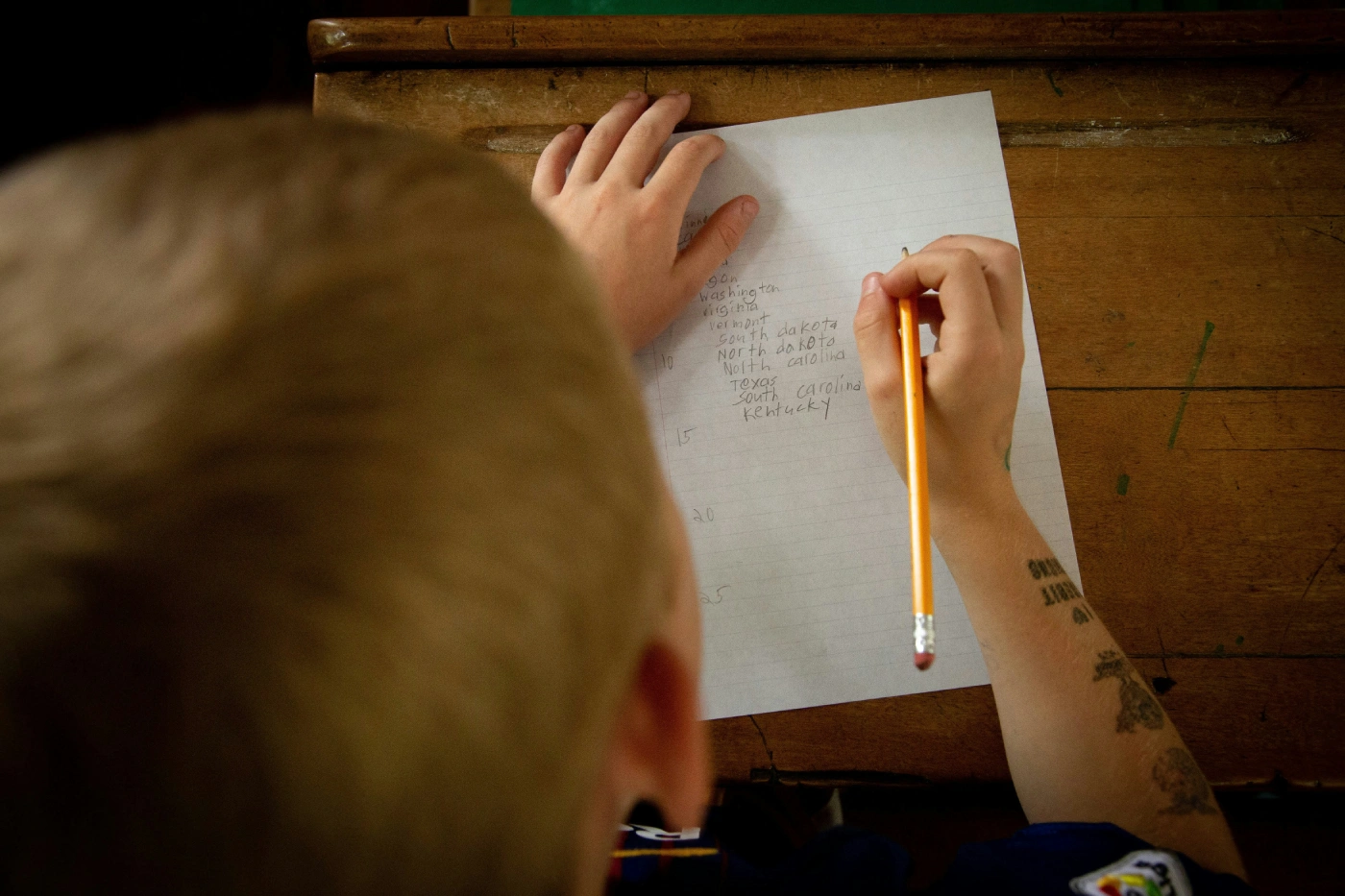
Few things generate as much debate between parents, students, and educators as homework. Students resist it. Parents sometimes question it. Teachers defend it. And researchers argue about it constantly. Yet homework has remained a near-universal feature of schooling across cultures and decades, which suggests it must be doing something right, at least some of the time.
Understanding why schools give homework, and what makes it genuinely useful versus what makes it a pointless burden, helps parents support their children more effectively and helps students engage with the work more purposefully. The answer is more nuanced than most people expect.
The Core Purpose of Homework
At its most basic, homework exists to extend learning beyond the classroom. A school day of six to eight hours, shared across multiple subjects and dozens of students, allows teachers limited time with any single concept. Homework is the mechanism through which students consolidate what was introduced in class, practise skills that require repetition, and encounter material at their own pace.
The word ‘consolidate’ is important here. Memory research consistently shows that returning to material after a gap, rather than studying it in one long session, significantly improves long-term retention. This principle, known as spaced repetition, means that a student who reviews a grammar rule at home the same evening it was taught in class is more likely to retain it than one who encounters it only once during the lesson.
This is why Schools in Bangalore that take a thoughtful approach to curriculum design treat homework not as an extension of the school day but as a deliberate tool for strengthening memory, building independent study habits, and preparing students for the increasing demands of senior classes.
What Homework Is Actually Trying to Achieve
Depending on the subject and the age group, homework serves several distinct goals. Conflating these goals, or assigning homework without clarity about which one it serves, is where much of the frustration around homework originates.
Practise and Fluency
Some knowledge and skills only become reliable through repetition. Mathematics is the clearest example. Understanding how to multiply fractions in class is not the same as being able to do it quickly and accurately under exam pressure. Homework that asks students to practise ten problems reinforces the procedure until it becomes automatic.
Reading fluency works the same way. A student who reads for twenty minutes every evening builds vocabulary, comprehension, and reading speed in ways that one classroom reading session per week simply cannot achieve. The repetition is the point.
Preparation for New Learning
Some homework assignments prepare students for what is coming rather than revisiting what has passed. Reading a chapter before a class discussion, watching a short video on a new topic, or researching background information before a project begins, all of these prime students so that classroom time can be used for deeper engagement rather than basic introduction.
Long-Term Projects and Research Skills
Extended homework tasks, science projects, book reports, history investigations, develop skills that daily classwork cannot. They require students to plan their time, sustain effort across multiple days, find and evaluate sources, and produce something more substantial than a ten-minute class exercise. These are skills that university and professional life will demand.
The Best schools in Bangalore distinguish themselves in this area by assigning project-based homework that builds genuine research and organisational skills, rather than defaulting to repetitive worksheet tasks that neither challenge thinking nor develop independence.
What the Research Actually Says
The research on homework is genuinely mixed, and it is worth understanding the nuances rather than reaching for a simple conclusion.
The most widely cited researcher on homework, Harris Cooper of Duke University, found that the correlation between homework and academic achievement is stronger for secondary students than for primary students. For children in primary school, the evidence that homework improves academic outcomes is weak. What it does build is study habits and a sense of responsibility, which are valuable but different from direct academic gains.
For students in Grades 9 to 12, moderate homework loads are consistently associated with better academic performance. The key word is moderate. Cooper’s research also found a threshold effect: beyond a certain point, more homework produces diminishing returns, and high loads are associated with increased stress without corresponding academic benefit.
| Student Level | Recommended Daily Homework | Primary Benefit |
|---|---|---|
| Grades 1 to 3 | 10 to 20 minutes | Building routine and reading habits |
| Grades 4 to 6 | 20 to 40 minutes | Consolidating skills, developing independence |
| Grades 7 to 9 | 45 to 75 minutes | Strengthening subject knowledge and study skills |
| Grades 10 to 12 | 1.5 to 2 hours | Exam preparation, research, and extended projects |
When Homework Helps and When It Does Not
The effectiveness of homework depends heavily on its design. Not all homework is created equal, and a well-designed assignment looks very different from a poorly designed one.
Homework That Works
- Clear purpose: the student understands what skill or knowledge the task is building
- Appropriate difficulty: challenging enough to require effort, achievable without significant adult help
- Reasonable length: can be completed within the recommended time band for that age group
- Connected to class learning: extends or prepares for something taught in school, not a standalone task
- Timely feedback: the teacher reviews and returns homework in a way the student can learn from
Homework That Does Not Work
- Busy work with no clear learning objective
- Repeated tasks that test recall rather than building understanding
- Assignments so long that they consistently require two or three hours for a primary-age child
- Tasks that require parental expertise to complete, effectively assessing the parent rather than the student
- Homework returned weeks later with no meaningful feedback
Parents evaluating CBSE schools in Bangalore will find that the quality of homework assigned is a useful proxy for the quality of teaching overall. Schools that think carefully about what they set for homework tend to think carefully about what they do in the classroom as well.
The Role of Parents in Homework
The most useful thing a parent can do around homework is create conditions for it rather than completing it alongside the child. This means a consistent time and space for homework, free from screens and significant distractions, and an attitude that treats the work as the child’s responsibility rather than a shared project.
When a child is stuck, the most helpful response is usually a question rather than an answer. ‘What do you think the problem is asking?’ or ‘What do you remember about this from class?’ returns ownership to the child and builds the problem-solving habit that homework exists to develop.
Rescuing a child from every difficult homework moment, while well-intentioned, teaches them that difficulty is a signal to stop rather than a signal to think harder. That lesson will follow them into examinations and beyond.
How Schools Are Rethinking Homework
A growing number of schools are revisiting their homework policies in light of the research and the increasing pressure students face. Some have introduced ‘no homework weekends.’ Others have shifted from rote practice tasks toward reading-based or project-based assignments that students can pursue with more autonomy.
Progressive schools, including several Montessori schools in Bangalore, take this rethinking further, prioritising self-directed reading and family-based learning activities over traditional homework formats. The argument is that for younger children especially, unstructured time, play, and family connection have developmental value that worksheet completion cannot replace.
Key Takeaways
- Homework primarily exists to consolidate classroom learning, build independent study habits, and develop skills that require repetition
- The research supports homework for secondary students more strongly than for primary students, where habit-building is the primary benefit
- Effective homework is purposeful, appropriately challenging, and returned with meaningful feedback
- Recommended daily homework ranges from 10 to 20 minutes at primary level to 1.5 to 2 hours at senior secondary level
- Parents support homework best by creating conditions for it, not by completing it alongside or instead of their child
- Schools are increasingly revisiting homework design, shifting toward reading, projects, and self-directed learning over repetitive worksheet tasks
Conclusion
Homework, when designed well and assigned in appropriate quantities, serves a genuine educational purpose. It extends learning beyond the classroom, builds independent study habits, and gives students the repeated practice that certain skills genuinely require. When designed poorly or assigned in excess, it creates stress without corresponding benefit.
The question worth asking is not whether homework is good or bad in the abstract, but whether the specific homework your child is receiving is purposeful and well-calibrated to their age and stage. Schools that can answer that question clearly and confidently are schools worth choosing. For families considering their options across schools in electronic city and the wider south Bangalore corridor, homework policy is a revealing question to raise during school visits.
Frequently Asked Questions
Q1. Is homework actually necessary for academic success?
For secondary students, moderate homework is consistently associated with better academic outcomes. For primary students, the benefit to academic results is less clear, though homework at that level supports routine-building and reading habits that pay dividends later.
Q2. How much homework is too much?
Most education researchers recommend no more than ten minutes per grade level per day as a guideline. A student in Grade 5 should have around fifty minutes of homework. When homework consistently takes significantly longer than these ranges, it is worth raising with the school.
Q3. What should I do if my child finds homework too hard?
Ask questions rather than providing answers. Try to identify whether the difficulty comes from not understanding the concept, not knowing the procedure, or not having the background knowledge the task assumes. If the difficulty is consistent, speak with the class teacher to understand whether there is a gap to address.
Q4. Should children do homework immediately after school or after a break?
Most children benefit from a short break of 20 to 30 minutes after school before starting homework, particularly after a long day. However, leaving it too late in the evening means doing it when mental energy is lowest. Finding the window that works for your child’s rhythms is more important than following a fixed rule.
Q5. What if homework is consistently not being returned with feedback?
This is worth raising directly with the teacher. Homework without feedback loses much of its learning value, as students cannot identify what they understood correctly and what they need to revisit. A polite conversation about the school’s feedback policy is appropriate.
Q6. Is it acceptable for parents to help with homework?
It is appropriate to clarify instructions, ask guiding questions, and create a supportive environment. It is not appropriate to complete sections of homework on behalf of the child or to correct it to the point that the teacher cannot see the child’s actual understanding.
Q7. Why do some schools reduce or eliminate homework for younger children?
The research on homework for primary-age children shows weak evidence of direct academic benefit. Schools that reduce homework loads for younger students often replace it with reading expectations, arguing that daily independent reading produces stronger literacy outcomes than traditional homework formats.
Q8. How can schools make homework more effective?
By ensuring every assignment has a clear purpose connected to classroom learning, keeping length appropriate to the age group, varying the format to include reading, project work, and reflection alongside practice tasks, and returning completed work with feedback students can use.